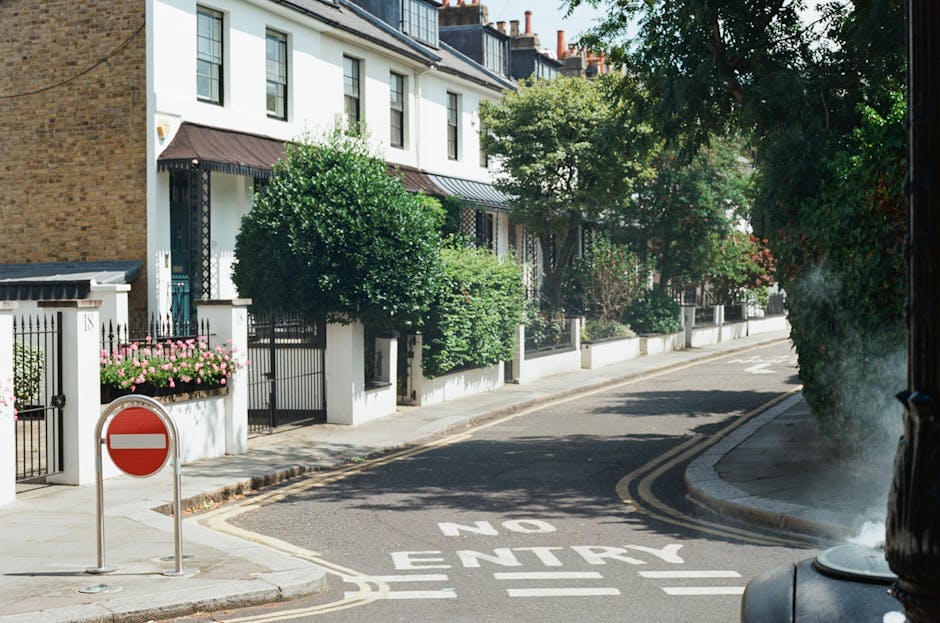
Bow Road gardeners parking access and garden supply issues: a practical local guide
If you have ever tried to organise garden work in a busy East London street, you will know the real challenge is not always the pruning, mowing, or planting. It is the logistics. Bow Road gardeners parking access and garden supply issues can shape how smoothly a job runs, how long it takes, and even what tools and materials can be brought in on the day. A neat garden plan can unravel fast if a van cannot stop nearby, there is nowhere safe to unload soil or paving, or the supplier turns up with the wrong-sized delivery for a tight terrace entrance.
This guide breaks the whole thing down in plain English. We will look at why these access problems matter, how they affect garden services, what good planning looks like, and the most common mistakes to avoid. There is also a checklist, a comparison table, and a realistic example so you can see how the moving parts fit together. To be fair, most of these issues are manageable once you know what to ask and what to prepare.
Why Bow Road gardeners parking access and garden supply issues matter
In a place like Bow Road, the garden itself is only one part of the job. Access often decides whether a service feels straightforward or slightly chaotic. Narrow streets, shared driveways, controlled parking, limited turning space, basement steps, side returns, and rear access through a house can all create bottlenecks. Add in sacks of compost, turf, fencing panels, decking materials, waste bags, or a chipper, and suddenly the project needs proper coordination.
Garden suppliers and gardeners are used to working around awkward layouts, but not every job is the same. A light maintenance visit is very different from a full clearance or landscaping project. One can usually be managed with hand tools and a small load. The other may need parking close by, staged deliveries, and a clear route from the vehicle to the garden. If that is not planned, you may face delays, extra labour, or a job that has to be split over more visits than expected.
There is also a trust element here. When a customer understands the access limitations in advance, they are less likely to be surprised by timing changes or supply substitutions. That matters. Nobody likes the moment when a delivery arrives and the driver has nowhere safe to stop, or a gardener has to carry heavy materials from half a street away while traffic builds up behind them. It is not dramatic, just irritating. And expensive, too, if it keeps happening.
For local homes, flats, and small commercial spaces, clear access planning can also reduce disruption to neighbours. Quiet streets can get congested quickly if a van is blocking a narrow lane or a pallet is left on the pavement. A little preparation goes a long way.
Expert summary: the smoother the access and supply plan, the more likely the garden work will finish on time, stay within budget, and avoid unnecessary stress for everyone involved.
How Bow Road gardeners parking access and garden supply issues works
The process usually starts before anyone arrives on site. A good gardener will want to know where the vehicle can stop, how far materials must be carried, whether there is rear access, and what kind of work is being done. That initial information shapes the whole visit. In practical terms, access planning answers three questions: can we park, can we unload, and can we move materials safely?
Garden supply issues are the other half of the picture. A customer may need bags of topsoil, mulch, compost, slab packs, sleepers, plants, turf, or replacement fencing parts. Some items can be brought on a van and carried through a side gate. Others are bulky, fragile, or awkward, and may need a delivery arranged for a specific time. Sometimes, the problem is not the delivery itself but the storage. Where can the materials be kept once they arrive? Can they be left dry? Will they block access? Does the neighbour need a heads-up?
In real-world terms, a smaller maintenance visit might involve parking nearby, unloading mowers, hedge trimmers, and hand tools, then moving around the garden with minimal fuss. By contrast, a landscaping project can involve a chain of steps: parking check, material drop, waste skip or removal plan, access route protection, and possibly staged deliveries. If one part slips, the whole day can feel messy. Truth be told, that is where many jobs lose time.
On Bow Road, this becomes even more relevant because local streets can be busy at peak times. A van may need to be scheduled around busier traffic windows. A supplier may need a clear arrival slot. And if the work is close to shared entrances or basement steps, there may be a need for extra manual handling. None of this is unusual, but it does need thinking through.
If you are comparing service types, it can help to look at the job alongside the support it may require. For example, a basic mow is easier to organise than a garden clearance or a larger landscaping job. You can see the broader range of work on the services overview, and if your space needs a tidy-up before more detailed work begins, garden clearance is often the practical first step.
Key benefits and practical advantages
When access and supply planning are handled properly, the benefits show up in very ordinary ways. The van gets parked closer. Materials arrive when they are needed. The team spends less time carrying heavy items up and down the street. The garden gets finished with fewer interruptions. Simple, but that is the point.
- Less wasted time: short walking distances mean faster unloading and fewer back-and-forth trips.
- Lower handling risk: fewer long carries reduce the chance of dropped materials, fatigue, or damage.
- Cleaner scheduling: deliveries and visits can be matched to the job rather than forcing the job to fit the delivery.
- Better budget control: fewer surprises usually means fewer add-ons for extra labour or repeat visits.
- Smoother neighbour relations: no one loves blocked access, noisy double-parking, or bags left on a shared path.
There is a quieter benefit as well: the work tends to look more professional. A crew that arrives with a clear plan, protects the entrance, and unloads without fuss creates confidence. Customers notice that. Even if they do not say much, they notice it. You can hear the difference in the pace of the day - less scrambling, more calm.
For customers, this also helps with deciding whether a job should be maintenance-led or more comprehensive. Regular upkeep can reduce the number of heavy supply runs you need in the first place. If your garden is already in reasonable shape, ongoing care through garden maintenance or a one-off visit such as lawn mowing may be easier to organise than a larger-scale project.
If access is awkward but manageable, the right setup can still make the job efficient. If access is truly limited, the benefit of good planning is even bigger. That is where realistic expectations save the day.
Who this is for and when it makes sense
This topic matters to a surprisingly wide group of people. Homeowners with narrow front access. Tenants with shared entrances. Landlords preparing a property for new occupants. Residents in terraced homes with no driveway. Small businesses with courtyard planting. Anyone arranging landscaping where bags, soil, timber, or tools need to travel through tight spaces. In other words, quite a lot of people.
It makes the most sense to think about access and supplies before the job starts if you are:
- booking a one-off tidy-up and expect a small vehicle or tool load
- planning a larger refresh that involves turf, paving, decking, or planting
- dealing with limited kerbside space or loading restrictions nearby
- sharing access with neighbours or other residents
- trying to coordinate multiple trades on the same day
- responsible for waste removal, storage, or deliveries on a tight site
This is also relevant if the garden has been left untouched for a while. Overgrown spaces often need both clearance and supply planning, because the first visit may be all about getting access back under control. Once the route is clear, the more detailed work becomes a lot easier. If that sounds familiar, something like hedge trimming or tree lopping and removal may be part of opening the site up safely before any finishing touches go in.
Step-by-step guidance
Here is a simple way to handle Bow Road gardeners parking access and garden supply issues without overcomplicating it.
- Describe the access honestly. Mention narrow gates, steps, tight corners, shared entrances, parking restrictions, and whether the gardener can reach the back garden without going through the house.
- Say what the job actually involves. A tidy-up, a clearance, and a decking installation all create different access needs. Be specific about tools, waste, and materials.
- Flag delivery constraints early. If compost, gravel, paving, plants, or timber will be delivered, note whether there is space to unload and where the goods can be stored safely.
- Ask how the crew plans to park and unload. A good question, because sometimes the answer changes the whole schedule.
- Confirm who is responsible for sourcing materials. Some jobs are quote-only with labour supplied by the gardener, while others include procurement and delivery management.
- Check whether the site needs protection. Path covers, wheelbarrow routes, temporary boards, or simple ground protection may be needed if supplies must travel across clean surfaces.
- Agree the sequence of work. For example, clearance first, then access improvement, then delivery, then installation. That order matters more than people think.
- Review the final plan before the day arrives. A ten-minute check can prevent a lot of head-scratching later.
A small practical example: if your front road is busy at school-run time, a delivery at 8am may be far easier than one at midday. If the rear gate is narrow, a few smaller loads may be better than one oversized pallet. Tiny detail, big difference.
If the job includes hard landscaping, it is worth checking whether the materials and access route are compatible. You can explore related work through landscape gardening, landscaping, or decking services where the route for delivery and installation becomes part of the plan, not an afterthought.
Expert tips for better results
First, think like a delivery driver for a moment. If you were arriving in a van full of tools or heavy materials, what would you want to know before turning into the street? Where can you stop? Is there a safe place to unload? Is the entrance obvious? That mindset helps you spot problems before they become delays. Simple, really.
Here are a few habits that make a noticeable difference:
- Measure the route. Gate width, step height, turning space, and the distance from kerb to garden all matter.
- Keep a fallback plan. If parking is taken, is there an alternative bay or a short waiting point?
- Choose materials that suit the site. In tight access gardens, smaller bags, modular materials, or staged drops can work better than bulk delivery.
- Protect the approach. Wet soil, bark, and gravel can make paths slippery. A clean, safe route is worth the small effort.
- Separate what needs to arrive now from what can arrive later. That stops the garden from becoming a storage yard by accident.
- Ask about waste removal before work begins. Clearance jobs often fill up fast, and nobody wants bags stacked in the only doorway.
There is also a communication tip that sounds obvious but gets missed all the time: one clear message beats five vague updates. If you know there is no rear access, say so once, clearly. If the supplier needs to call on arrival, say that too. Less confusion, less chasing. Nobody needs the drama.
Where a project is expected to create lots of waste or repeated removals, it can be helpful to pair access planning with a tidy-up service like garden clearance and a disposal-minded approach aligned with recycling and sustainability. That combination tends to keep the site usable while the work is happening.
Common mistakes to avoid
The most common mistake is assuming access will "sort itself out on the day". Usually it does not. Parking restrictions, delivery lorries, neighbour cars, and tight gates have a habit of making themselves known right when things get busy.
Other mistakes crop up all the time too:
- Not measuring access properly. A gate that is "about wide enough" is not the same as one that actually is.
- Forgetting the carry distance. Five metres is fine. Fifty metres with heavy bags is another story.
- Ordering too much at once. Big deliveries are efficient on paper, but not always on a narrow street.
- Ignoring storage space. Materials left in the wrong place can block work or get damaged by rain.
- Assuming the gardener will provide every supply. Some services include materials; others do not. Check before you assume.
- Leaving waste planning until the end. If clearance is not organised early, the garden can become difficult to work in.
Another subtle mistake is not thinking about the weather. A dry delivery is one thing; a wet one on a slick path is another. In London, you can move from mild to miserable rather quickly. Best not to pretend otherwise. A little preparation around tarps, covers, and route protection keeps things calmer.
Tools, resources and recommendations
You do not need a huge toolkit to solve access and supply problems. What you need is the right mix of planning tools and practical materials.
| Need | Useful tool or approach | Why it helps |
|---|---|---|
| Confirming access | Simple tape measure, photo walk-through, site notes | Helps avoid guesswork about gates, paths, and unloading space |
| Managing deliveries | Timed drop-offs, smaller batches, clear arrival instructions | Reduces congestion and awkward waiting time |
| Protecting surfaces | Boards, covers, sacks, tarps | Keeps paths and entrances cleaner and safer |
| Handling waste | Heavy-duty bags, collection plan, clearance support | Prevents the site from becoming cluttered |
| Large garden projects | Phased scheduling, material staging, labour coordination | Makes bigger jobs more predictable |
For customers who want help with more than just mowing, it is sensible to look at the broader service picture. Lawn mowing may be all you need for a compact garden. But if the access issue is linked to overgrowth, site clutter, or long-term neglect, then a combined approach involving garden maintenance and perhaps broader service support may be a better fit.
If you are comparing providers, also pay attention to how they talk about safety, insurance, and site handling. Clear statements about health and safety and insurance and safety are a good sign that they take access constraints seriously rather than treating them as an inconvenience. That matters when tools, vehicles, and members of the public are all sharing space.
Law, compliance, standards and best practice
For most homeowners, the key issue is not legal complexity so much as sensible compliance and courtesy. That said, a few UK best-practice points are worth keeping in mind. Vehicles should not block driveways, loading restrictions, or emergency access. Garden work should avoid unsafe handling of heavy materials. Waste should be managed responsibly. And if a project affects shared or public areas, the site should be kept tidy and as hazard-free as reasonably possible.
Local parking and loading rules in London can vary by street and time of day, so it is better not to assume that a van can simply stop anywhere. If parking is tight, plan for alternative loading arrangements instead of hoping for the best. That is usually where the trouble starts. A professional operator will normally plan around this rather than gamble on a last-minute space.
Best practice also includes:
- keeping access routes clear of loose tools and debris
- avoiding unnecessary obstruction to neighbours and pedestrians
- carrying materials in a way that reduces strain and spillage
- agreeing responsibility for supplier access and unloading
- using realistic labour estimates when access is restricted
For customers, the trust signal is consistency. A company that sets out how it handles safety, payments, and complaints is usually more dependable than one that says very little. If you want to review those basics, the pages on pricing and quotes, payment and security, and complaints procedure provide a clearer picture of how the business operates.
Options, methods and comparison table
Not every job needs the same access strategy. Here is a practical comparison of the main approaches people use around Bow Road.
| Method | Best for | Strengths | Limitations |
|---|---|---|---|
| Standard van access | Routine maintenance, small supply runs | Fast, simple, efficient | Needs decent kerbside space and a short carry route |
| Staged deliveries | Landscaping, bulk materials, phased projects | Reduces overload and site clutter | Requires more coordination |
| Hand-carry or trolley access | Tight gates, narrow passages, internal courtyards | Flexible where vehicles cannot get close | Slower and more labour-heavy |
| Clearance first, build later | Overgrown or cluttered gardens | Improves safety and space before main works | Adds an extra stage to the project |
| Supplier-managed materials | Clients who want a single-point service | Less admin for the customer | Needs clear brief and site details |
The right choice depends on the garden, not just the job title. A small courtyard can be perfectly manageable with hand-carrying and a few well-timed deliveries. A larger front garden project may need vehicle access and phased drop-offs. Neither is better in the abstract. It is about fit.
Case study or real-world example
Here is a realistic example based on the kind of situation that comes up often. A homeowner on a Bow Road side street wants a tired back garden turned into a neat, usable space. The garden has old pots, a broken trellis, uneven patches of soil, and a narrow rear access path. There is no driveway. Parking on the street is limited in the afternoon, and deliveries need to be timed carefully.
The work is split into stages. First, a clearance visit removes the clutter and opens up the path. That makes the site safer and gives the team room to work. Next, smaller deliveries of compost, plants, and edging materials arrive early in the morning when parking is easier. Heavy items are broken down into manageable loads instead of one large drop. The gardener protects the path with boards and keeps the access route tidy so the homeowner can still use the house without tripping over equipment.
What changed the outcome? Not extra effort, just better sequencing. The garden did not need heroic problem-solving. It needed clear instructions, sensible timing, and an honest view of the access limits. The end result felt calm, which is what most people want in the first place. Not a circus. Just a good job done cleanly.
That same approach works for many other jobs too, especially when the project includes regular upkeep, hedging, or design changes. If the space needs shaping as well as maintenance, landscape gardening can help align the layout with the access reality rather than fighting it.
Practical checklist
Use this before the work starts.
- Have I described the access route clearly?
- Do I know whether parking is available near the property?
- Have I mentioned any narrow gates, steps, or side passages?
- Do I know which supplies are being delivered and when?
- Is there somewhere safe to leave materials temporarily?
- Has waste removal been planned?
- Will the job need clearance before the main work begins?
- Are there neighbour or shared-access issues to think about?
- Has the gardener confirmed how they will handle tools and heavy items?
- Have I asked about safety, insurance, and any likely limitations?
If you can tick most of those boxes, you are already ahead of the game. And if a few are still uncertain, that is fine too. Better to clarify now than halfway through a job with a van idling outside and everyone wondering where the compost is supposed to go.
Conclusion
Bow Road gardeners parking access and garden supply issues are not glamorous, but they are often the difference between a smooth project and a frustrating one. Good access planning saves time, protects materials, reduces risk, and helps a garden job feel organised from the first visit to the final tidy-up. In busy parts of London, that practical thinking really matters.
The best results usually come from being clear about the site, realistic about what can be delivered, and open about what needs to happen first. Whether you are arranging a small maintenance visit or a larger landscaping project, a little planning around parking and supply logistics can make the whole process feel much lighter.
Get a free quote today and see how much you can save.
If you are still weighing up the right approach, start with the service that best matches the site and then build outward from there. You will usually find that once the access puzzle is solved, the rest of the job becomes a lot more straightforward. One step at a time. That is usually the cleanest way.
Frequently Asked Questions
What does Bow Road gardeners parking access and garden supply issues actually mean?
It refers to the practical problems that come up when gardeners need to park, unload tools, receive materials, and work in gardens with limited space or restricted access around Bow Road.
Why does parking matter so much for garden work?
Parking affects how close a van can get to the property, how far materials must be carried, and how quickly the job can be completed. If parking is awkward, the work usually takes longer.
Can a gardener still work if there is no driveway?
Yes, often they can. Many gardens are accessed by street parking, short carries, or staged deliveries. The key is to explain the route and any restrictions before the job starts.
How should I prepare for garden material deliveries?
Make sure you know where the delivery can stop, where materials can be stored, and whether the path to the garden is clear. Smaller or timed deliveries can be much easier in tight spaces.
What happens if the street is busy or parking is limited?
The job may need to be scheduled for a quieter time, split into stages, or adjusted to suit smaller vehicle access. Good planning matters more than forcing a one-size-fits-all approach.
Are supply issues usually about the materials themselves?
Sometimes, but not always. The issue may be delivery timing, storage space, access width, or the amount of carrying required rather than the materials being wrong.
Is it better to get garden clearance done before landscaping?
Often, yes. Clearing old waste, overgrowth, and clutter first makes it easier to assess access and carry in new materials safely.
What kind of jobs are most affected by access problems?
Larger jobs such as clearance, landscaping, decking, hedge work, and any project involving heavy or bulky materials are usually the most affected.
Should I tell the gardener about neighbours or shared access?
Definitely. Shared entrances, narrow common paths, and nearby parking pressure can change the way a job is planned, so it helps to mention them early.
How do I know if a gardener is planning properly?
They should ask clear questions about parking, access route width, delivery timing, storage space, and waste removal. If they only ask about the garden size, that is a bit of a warning sign.
Does regular garden maintenance reduce supply problems?
Usually it does. A well-kept garden tends to need fewer large deliveries, less clearance, and less labour just to get started.
What should I ask before accepting a quote?
Ask what is included, whether materials are supplied, how parking and access will be handled, how waste will be removed, and whether any extra charges could apply if the site turns out to be harder to access than expected.
Can access issues change the price of the work?
They can. If materials must be carried a long distance, if deliveries need extra coordination, or if the job requires more labour because of tight access, the price may reflect that additional effort.