Devons Road gardeners access guide for narrow Bow gardens
If you live near Devons Road and your garden is more "side passage and a bit of patio" than open lawn, you already know the challenge. Getting a gardener in is one thing; getting people, tools, waste bags, and equipment through a narrow Bow garden without damaging plants, fences, or paving is another. This Devons Road gardeners access guide for narrow Bow gardens is here to make that easier. It covers how narrow access works, what to expect, the practical benefits, and the small decisions that make a big difference on the day.
Truth be told, many garden jobs are straightforward once access is planned properly. A tight passage, a shared alley, a basement-level step, or a sloping rear entrance can turn a simple tidy-up into a faff if nobody has thought it through. So let's get into the real-world stuff: how gardeners work around limited access, what you should prepare, and how to avoid the usual headaches.
Table of Contents
- Why narrow garden access matters in Bow
- How the access process works
- Key benefits and practical advantages
- Who this is for and when it makes sense
- Step-by-step guidance
- Expert tips for better results
- Common mistakes to avoid
- Tools, resources and recommendations
- Law, compliance, standards, or best practice
- Options, methods, or comparison table
- Case study or real-world example
- Practical checklist
- Conclusion
- Frequently asked questions
Why Devons Road gardeners access guide for narrow Bow gardens Matters
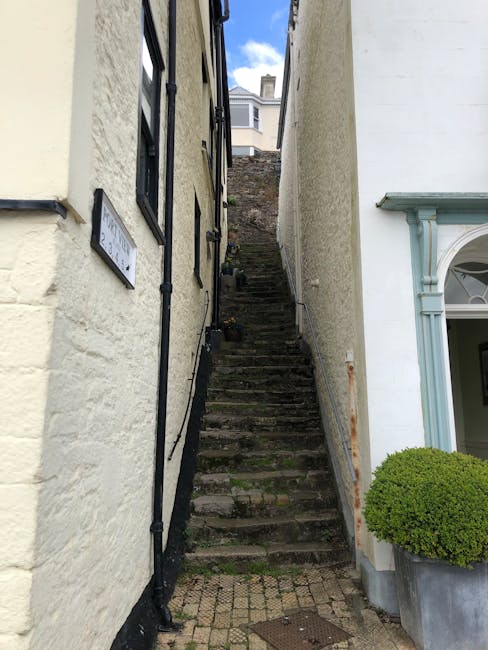
Narrow gardens are common across Bow and the surrounding East London streets. Terraces, converted homes, compact back gardens, and shared passageways all create the same basic problem: the garden may be small, but the access can be even smaller. That matters because access affects time, labour, safety, cost, and the final quality of the work.
A good gardener does not just think about what needs cutting, clearing, or planting. They also think about how to move around the space cleanly. Can a mower fit through the gate? Will soil, rubble, or hedge trimmings need to be carried through the house? Is there room to stage tools without blocking a neighbour's path? These are not minor details. They shape the whole job.
In a tight Bow garden, poor access can create avoidable wear and tear. A wheelbarrow that is too wide can scuff brickwork. A large hedge cut on a windy day can leave debris in awkward places. Even something as ordinary as carrying a compost bag can become clumsy if nobody has a route planned. Access planning is not glamorous, but it saves hassle. And, to be fair, a little planning goes a long way.
It also helps with realistic expectations. A narrow access garden may still be fully maintainable, but it may take more careful handling than a front-drive property with wide side access. That difference should be understood early, especially if the work includes clearance, landscaping, heavy pruning, or repeated maintenance visits.
Practical takeaway: In compact Bow gardens, access is part of the job design, not an afterthought. The better the access plan, the smoother the work, the cleaner the finish, and the less likely you are to get caught by surprise on the day.
How Devons Road gardeners access guide for narrow Bow gardens Works
The process usually starts with a quick review of the garden layout. A gardener will want to know how the property is entered, where the tightest points are, whether there are steps, and what kind of work is being done. A tidy border trim is a different proposition from a full garden clearance. That sounds obvious, but it is amazing how often access gets discussed only after the job starts.
For narrow gardens, the work often follows a simple pattern: plan the route, choose compact tools, protect the surfaces, complete the task in sections, and remove waste in manageable loads. If the job includes heavier materials, the team may need to break them down first or use smaller containers. In some cases, a job that would normally be one visit becomes a staged process. Not a problem, just sensible.
There is usually a decision between using lightweight manual methods or bringing in more robust equipment. For example, a compact mower can work well in a slim rear garden where a larger machine would be awkward. Likewise, hand tools can be more efficient than oversized kit where every turn is tight. This is one of those times when smaller can actually mean faster.
Access planning also includes communication. If your garden entrance is shared, locked, or only reachable at certain times, the gardener needs to know that before arrival. It is far better to have a 5-minute conversation the day before than a 50-minute wait on the doorstep. Been there, seen that, and nobody enjoys it.
In some cases, a job may also involve linked services. A narrow garden that is overgrown may need hedge work, clearance, and general maintenance in sequence. In that situation, it can help to review related services such as garden maintenance, garden clearance, or hedge trimming so the whole plan is joined up rather than piecemeal.
Key Benefits and Practical Advantages
Good access planning does more than avoid inconvenience. It improves the whole gardening experience, especially in compact Bow properties where every bit of space matters.
- Less disruption: Careful access means less noise, fewer repeated trips, and less movement through the house or shared spaces.
- Cleaner work: Tools, debris, and soil are easier to manage when the route is clear and thought through.
- Better protection for your garden: Narrow beds, delicate edging, and small lawns are less likely to be trodden on or damaged.
- More efficient labour: A gardener can work faster when they are not constantly shifting things around to fit the space.
- Safer handling: Fewer awkward lifts and fewer near-misses with gates, walls, and steps.
- More accurate quotes: Once access is understood, estimates are usually more realistic and better aligned with the actual work.
There is also a subtle but important benefit: better finish quality. In a narrow garden, tidy staging matters. Materials placed in the wrong spot can block movement. A poorly thought-out route can mean rushed work. When access is sorted properly, gardeners can keep their focus on the finish. And that shows.
For some homeowners, the biggest advantage is simply peace of mind. You know the team can get in and out without a scene, and you are not left worrying about scratches on paving or the neighbour's gate. That reassurance has value. Sometimes it is the difference between putting off the job and actually getting it done.
Who This Is For and When It Makes Sense
This guide is useful for a wide range of people, not just those with extremely tight side access. If your garden feels a little awkward to reach, the advice probably applies.
- Homeowners with terraced or converted properties: Rear gardens can be reachable only through the house, a shared alley, or a narrow side gate.
- Landlords and letting agents: Access planning helps keep turnaround work efficient between tenancies.
- Busy households: If you want the work done with minimal disruption, access organisation matters more than you might think.
- People booking clearance or one-off jobs: Overgrown areas often need more movement of waste, so access affects cost and timing.
- Anyone with mobility concerns: A thoughtful setup can reduce unnecessary lifting and awkward movement.
It also makes sense if you are comparing services. For instance, if your garden needs more than maintenance and may need reshaping, a broader service such as landscape gardening or landscaping could be more suitable than a quick tidy-up. Narrow access is not a deal-breaker. It just means the scope needs to be chosen properly.
One small but useful clue: if you keep saying "it's only a tiny garden" and then immediately add "but the access is awkward," then yes, this guide is for you. Very much so.
Step-by-Step Guidance
Here is the practical part. If you want a smoother visit and a better result, work through the job in a sensible order.
1. Measure the access points
Check gate widths, side return gaps, steps, and any turns that might limit movement. You do not need a technical survey. A rough but honest measurement is enough for most jobs. Note where a wheelbarrow can pass, where a mower can fit, and where hand-carrying would be the only option.
2. Describe the route clearly
Tell the gardener how they will reach the space. Through the house? Down a shared passage? Across a courtyard? Mention anything that sounds trivial, because that is usually the bit that trips people up. A low archway, an inside corner, or a heavy latch can change the whole plan.
3. Identify what needs removing
If the job includes waste removal, say what is likely to come out of the garden. Grass cuttings are one thing. Thick branches, old timber, broken pots, or piles of soil are another. Waste volume directly affects how access is managed and what equipment is needed.
4. Clear the route before the visit
If possible, move bikes, bins, plant pots, hoses, and garden furniture out of the way. It sounds simple, but it saves time. A clear route means fewer trips and less risk of knocking something over. Little things, big difference.
5. Protect fragile surfaces
If your path is old paving, painted decking, or delicate stone, say so. A sensible gardener may use protective mats, careful loading points, or a different staging area. This is especially useful after rain, when surfaces can be slippery and a bit unforgiving.
6. Confirm the sequence of work
Some jobs work better when the clearing happens first, then pruning, then final tidying. Others are better tackled in sections. Ask how the work will be broken down. A good sequence keeps the path usable and avoids clutter building up in the wrong place.
7. Agree where waste will go
Will green waste be bagged and carried out, stacked briefly before removal, or taken away in stages? On a narrow site, this matters more than people expect. If the exit route is tight, waste handling needs to be part of the plan from the start.
8. Build in a little flexibility
Garden work always reveals one or two surprises. A hedge may be denser than expected. A hidden stump may need dealing with. A gate may stick in damp weather. Leave a little room in the plan. Not everything goes by the book, and that is normal.
Expert Tips for Better Results
There are a few habits that make a very real difference in narrow Bow gardens. They are simple, but they work.
- Use compact tools where possible: Smaller equipment can be more efficient in tight spaces than larger kit that needs constant manoeuvring.
- Work from the furthest point back: This keeps the exit route clearer and avoids walking over finished areas repeatedly.
- Stack waste in one controlled area: Do not spread cuttings and debris across the whole garden. That turns a tidy job into a messy one fast.
- Choose dry windows for heavier jobs: Wet grass, slick paving, and muddy access all slow things down and make carrying awkward.
- Keep an eye on neighbour access: Shared corridors and alleys need a bit of courtesy. It sounds obvious, but people forget.
- Plan for light and visibility: If the rear garden is shaded by afternoon or sits behind high fencing, the timing of the visit can matter more than expected.
One thing experienced gardeners tend to notice quickly is that narrow spaces reward calm, deliberate work. Rushing almost always creates more movement, more mess, and more risk. Slow is smooth. Smooth is fast. A bit of an old saying, but it holds up.
If you are considering recurring visits, ask about combining access-friendly maintenance with broader care routines, such as lawn mowing and regular services overview planning so each visit is predictable and efficient.
Common Mistakes to Avoid
Most access problems are not dramatic. They are usually small oversights that snowball.
- Assuming the gate size is "about fine": "About" is not enough when a mower, trug, or pile of branches has to pass through it.
- Not saying the access is via the house: That one causes needless surprises and sometimes delays.
- Leaving clutter in the route: Even a few pots or a stray hose can slow everything down.
- Forgetting about waste removal: A neat finish becomes harder if nobody planned where the cuttings go.
- Choosing the wrong level of service: A light tidy is not the same as a clearance. Likewise, a clearance may be overkill for a small trim.
- Ignoring fragile features: New decking, painted fences, and shallow beds can be damaged by repeated foot traffic.
Another common mistake is underestimating the impact of weather. A narrow garden can feel twice as tight after rain because surfaces become slick and movement slows down. You will notice it most when carrying bags or pushing a loaded barrow. Not ideal. Best to plan with that in mind.
Tools, Resources and Recommendations
For narrow-access gardens, the best tools are usually the ones that are easy to carry, easy to turn, and easy to clean. This does not mean low quality. It means appropriate.
| Tool or resource | Best use in narrow Bow gardens | Why it helps |
|---|---|---|
| Compact hand tools | Pruning, edging, planting, small clearance tasks | Easy to manoeuvre in tight spaces and less likely to damage borders |
| Lightweight bags or tubs | Cuttings, soil, and debris collection | Reduces awkward lifting and keeps waste manageable |
| Protective mats or boards | Paths, decking, and high-wear routes | Helps protect surfaces during repeated foot traffic |
| Small mower or strimmer | Compact lawns and narrow strips | Better fit for limited turning space |
| Clear job notes or photos | Pre-visit planning | Lets the gardener judge access before arriving |
If you are arranging more than a simple tidy, it can also help to review practical business details such as pricing and quotes, insurance and safety, and the company's general standards. Those pages do not solve access problems on their own, of course, but they do help you understand how the work is organised and what good practice looks like.
For a broader view of the company and its service style, you may also find about us and contact us useful if you want to ask a few access-specific questions before booking.
Law, Compliance, Standards, or Best Practice
For most domestic gardening jobs, the main compliance concerns are practical rather than complicated. That said, there are still a few standards worth respecting.
First, access through shared spaces should be handled considerately. If you are using a communal passage, alley, or shared entrance, the sensible approach is to avoid obstructing others, keep noise and debris under control, and leave the route as you found it. That is not just polite; it is part of good neighbourly practice in dense London housing.
Second, safe handling matters. Repeated lifting, awkward carrying, and moving tools through tight routes can create avoidable strain. A reputable gardener should think about safe routes, load sizes, stable storage of tools, and sensible sequencing. If a job feels like it will need more than one person, that is often because it really does.
Third, waste should be managed responsibly. Whether material is bagged for collection, reused as mulch, or taken away, it should not be left blocking a shared path or dumped in a way that causes nuisance. If the job produces significant green waste, ask how it will be handled.
Fourth, if your work includes larger structural changes or hard landscaping, the standards are a little higher. Edging, decking, or rebuilt access routes can require more planning, especially where levels, drainage, or neighbouring boundaries are involved. In those cases, a garden project is no longer just a tidy-up; it is a proper job with proper consequences. That is why clarity up front is so useful.
Many homeowners also like to check a company's policies on health and safety, recycling and sustainability, and payment and security. These do not replace common sense, but they do help build confidence before work begins.
Options, Methods, or Comparison Table
Not every narrow garden needs the same approach. Sometimes the smartest choice is a light-touch visit. Other times, a more organised clearance-style method is better. Here is a simple comparison to help you think it through.
| Approach | Best for | Pros | Watch-outs |
|---|---|---|---|
| Light maintenance visit | Tidy borders, mowing, quick pruning | Fast, tidy, minimal disruption | May not suit heavy overgrowth |
| Section-by-section work | Narrow access with multiple zones | Keeps routes clearer and work organised | Can take a little longer on the day |
| Full clearance first | Very overgrown gardens or unused spaces | Creates room to work and reveals hidden issues | More waste, more handling, potentially more time |
| Combined maintenance and improvement | Gardens needing both upkeep and small upgrades | Efficient if planned well | Needs a clearer brief from the start |
There is no single "best" method. The right one depends on access, garden condition, and how much change you want. If you are unsure, it may be worth starting with a maintenance-focused visit and then moving into deeper work later. A staged approach is often kinder to a narrow space, and frankly, kinder to your nerves too.
Case Study or Real-World Example
Imagine a typical Bow rear garden behind a terraced property: a slim lawn, two narrow beds, a few tired shrubs, and access only through the kitchen and down a short passage. The owner wants the space cleared, tidied, and made easier to manage through the summer.
The first thing a sensible gardener does is look at the route. The passage is narrow, the gate opens inward, and there is only just enough room for a compact barrow. So the work is planned in stages: loose debris is removed first, then overgrowth is cut back, then the lawn is mown, and finally the borders are neatened. Waste is bagged in smaller loads so it can be moved without blocking the passage.
What makes the difference is not brute force. It is sequencing. The gardener does not drag everything through at once. They keep the route clear, protect the paving where needed, and leave the most delicate areas until the end. The result is a garden that looks much better without the usual scuffs, crushed plants, or half-finished mess that can happen when access is treated casually.
And yes, the owner probably notices the small things too: the cleaner path, the sharper edge to the lawn, the sense that the place finally breathes again. That is often the real outcome people want, even if they do not say it out loud at first.
Practical Checklist
Use this checklist before booking or before the team arrives. It keeps things simple.
- Measure gate widths and note the tightest point
- Confirm whether access is through the house, side path, or shared passage
- Identify any steps, slopes, or awkward turns
- Move bins, bikes, hoses, furniture, and pots out of the route
- Tell the gardener what type of work is needed
- Say whether waste removal is included or expected
- Point out any fragile paving, decking, or planting
- Ask how the work will be staged in a narrow space
- Check whether the visit needs to avoid certain times
- Keep a contact number handy in case access details change
If you can answer those ten points, you are already ahead of most people. Honestly, that alone can make the visit feel a lot more relaxed.
Conclusion
Devons Road and the wider Bow area have plenty of gardens where access is the real challenge, not the gardening itself. Once you understand how narrow access affects movement, waste handling, tool choice, and job planning, everything becomes much easier. The work can be done neatly and safely, even in compact spaces. In fact, with the right approach, narrow gardens often respond beautifully to careful maintenance.
The big lesson is simple: do not treat access as a side note. Treat it as part of the brief. That gives you better quotes, cleaner work, fewer delays, and a far calmer experience all round. A little planning now saves a lot of bother later, and in a tight garden, that really counts.
Get a free quote today and see how much you can save.
Frequently Asked Questions
What does a narrow garden access guide actually help with?
It helps you plan how a gardener will enter, move through, and work in a tight space without causing damage or delays. It also helps with quoting and job planning, which is often where the biggest misunderstandings happen.
Can gardeners work in a garden that is only accessible through the house?
Yes, many can. The key is to explain the route clearly in advance and make sure it is practical for tools, waste bags, and repeated trips. That kind of access is common in terraced properties, especially around Bow.
Is narrow access more expensive?
Sometimes it can be, but not always. It depends on how much extra time, care, or manual carrying is needed. A compact but tidy garden may still be straightforward, while an overgrown one with limited access can take longer.
What should I tell the gardener before the visit?
Tell them how they will get in, whether there are steps or tight turns, what sort of garden work is needed, and whether waste removal is expected. A few accurate details can save a lot of back-and-forth later.
Do I need to clear the route myself?
If you can, yes. Moving pots, furniture, bikes, and hoses out of the way is a big help. It means the gardener can get on with the work faster and with less risk of knocking anything over.
How do I know if my garden needs clearance or just maintenance?
If the space is only slightly untidy, maintenance may be enough. If shrubs, weeds, or debris have taken over and movement is difficult, clearance is often the better starting point. When in doubt, describe the condition honestly and ask which is more suitable.
What tools work best in very tight spaces?
Compact hand tools, lightweight waste containers, and smaller mowing equipment are usually best. In narrow gardens, manoeuvrability matters as much as cutting power. Bigger is not always better here.
How should waste be handled in a narrow Bow garden?
Ideally, waste should be bagged or staged in manageable loads so it does not block access. If the route is especially tight, ask in advance how cuttings and heavier debris will be removed.
What if my garden has shared access with neighbours?
Then courtesy and timing matter. Let the gardener know about the shared route, keep it clear if possible, and avoid blocking anyone's regular access. Shared spaces need a bit of extra care, that's all.
Can narrow access affect the final look of the garden?
It can, if the job is rushed or poorly planned. But with the right staging, narrow access does not prevent a good result. In many cases, it just means the work needs to be done more carefully and in a better sequence.
Should I ask about insurance and safety before booking?
Yes, that is a sensible question. It helps you understand how the work is managed and whether the company is prepared for practical risks like tight routes, tools, and waste handling. A trustworthy provider should be comfortable discussing it.
What is the best first step if I'm unsure about my garden access?
Take a few photos, note the narrowest points, and write down any awkward features such as steps, bends, or locked gates. Then ask for advice before booking. A quick conversation often settles things faster than you'd think.